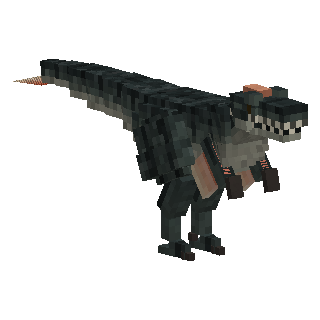
Deinonychus
Forest · Plains · Prehistoric Jungle
Its name means "terrible claw": the discovery of Deinonychus convinced scientists that dinosaurs were active, bird-like animals.
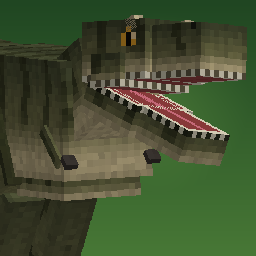
50 dinosaurs and 12 more prehistoric creatures, from megalodon and mosasaurus to pterosaurs and Titanoboa. Tame them and ride them on land, through the air and underwater, among ancient plants, electric fences and safari vehicles.
Which one do I need? Playing on an iPad, iPhone, Android, Xbox, PlayStation, Switch or Minecraft for Windows? That is Bedrock Edition – take the first download. Playing on a computer with the Minecraft Java Edition launcher (Mac, Windows or Linux)? Take the Java download. Not sure? If you bought Minecraft in the App Store or Google Play, it is Bedrock.
Latest version: 0.7.0
Running a server, or can’t open the file? Use the separate behavior and resource packs from the latest release, or unzip the .mcaddon and copy dinosaurs_BP and dinosaurs_RP into behavior_packs and resource_packs. Xbox, PlayStation and Switch can’t import add-ons from files, but you can join a world or Realm that has the add-on.
On a server, replace the add-on’s folders in behavior_packs and resource_packs with the new ones and restart it.
Java Edition: delete the old Prehistoric Dinosaurs jar from your mods folder and put the new one in its place. Keep only one version in the folder. If the new version needs a newer Fabric API or GeckoLib, update those too.
Each creature has its own model, texture and animations: walking, swimming, flying, attacking and lying down. They are grouped by where they live.
Forest · Plains · Prehistoric Jungle
Its name means "terrible claw": the discovery of Deinonychus convinced scientists that dinosaurs were active, bird-like animals.
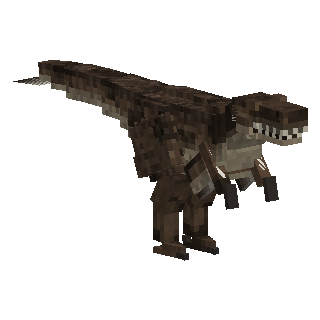
Forest · Taiga · Prehistoric Jungle
The largest known raptor, Utahraptor was a heavily built, bear-sized predator with a 24 cm sickle claw on each foot.
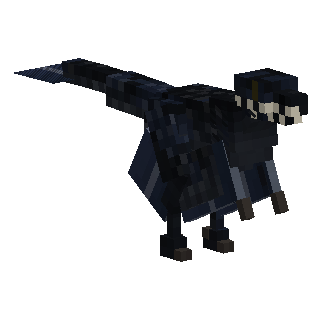
Forest · Jungle · Prehistoric Jungle
Microraptor had flight feathers on all four limbs and glossy black, iridescent plumage like a modern crow.
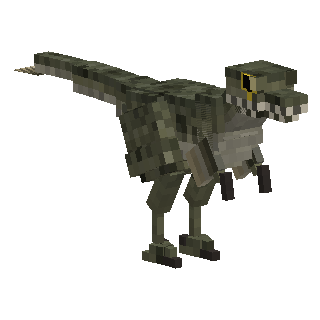
Taiga · Forest · Prehistoric Jungle
Troodon had one of the largest brains for its body size of any dinosaur and huge forward-facing eyes for hunting at dusk.
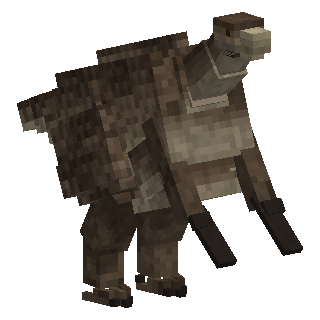
Forest · Jungle · Prehistoric Jungle
This bizarre plant-eating theropod had the longest claws of any known animal, up to a metre long, used to pull down branches.
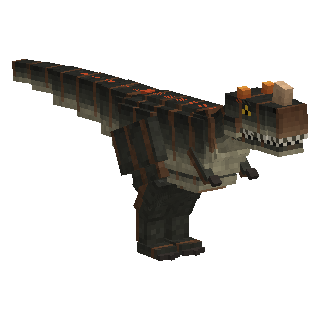
Forest · Jungle · Prehistoric Jungle
This Jurassic hunter sported a blade-like horn on its nose and a row of bony armour plates down its back.
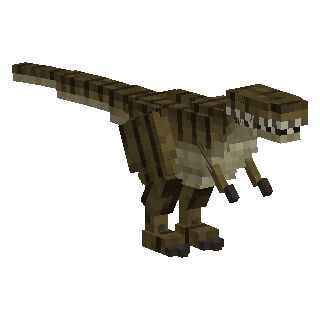
Forest · Savanna · Prehistoric Jungle
One of the earliest dinosaurs, this agile Triassic hunter from Argentina had a flexible jaw joint to grip struggling prey.
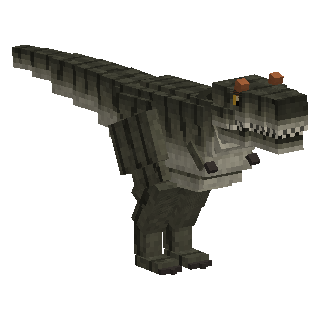
Forest · Taiga · Plains · Prehistoric Jungle
A lighter, faster cousin of T. rex; a bonebed of 26 individuals suggests Albertosaurus may have hunted in packs.
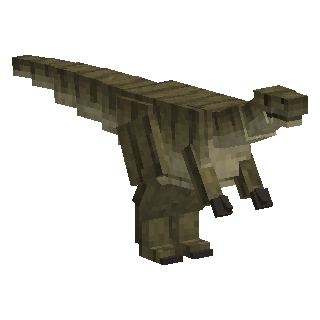
Forest · Plains · Desert · Prehistoric Jungle
An early relative of the giant sauropods, Plateosaurus walked on two legs and used its clawed hands to pull down branches.
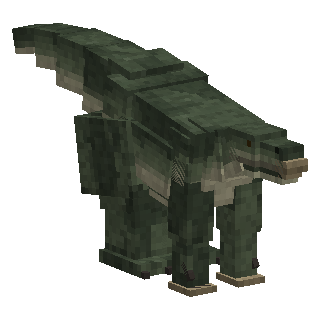
Forest · Plains · Swamp · Prehistoric Jungle
Iguanodon was one of the first dinosaurs ever named; its spiky thumb was once mistakenly placed on its nose.
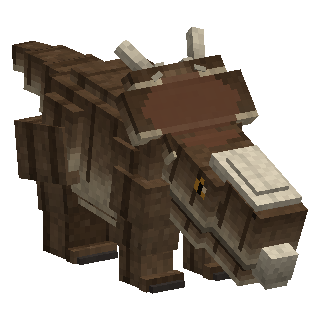
Taiga · Plains · Prehistoric Jungle
Instead of a nose horn it had a massive, flattened bony boss, likely used for head-shoving contests.
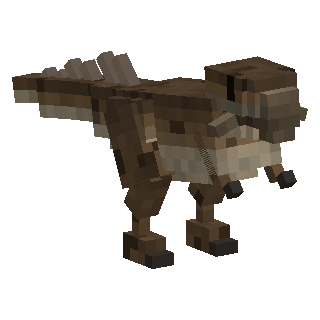
Forest · Jungle · Prehistoric Jungle
The "parrot lizard" walked on two legs and had a row of bristle-like quills along its tail.
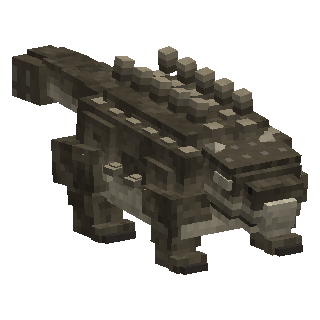
Forest · Taiga · Prehistoric Jungle
Its name means "well-armed head" — it even had bony shutters that could close over its eyes.
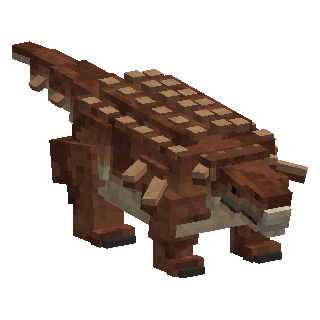
Forest · Plains · Prehistoric Jungle
A club-less armoured dinosaur covered in rows of bony knobs; one relative was fossilised so well its reddish skin colour survived.
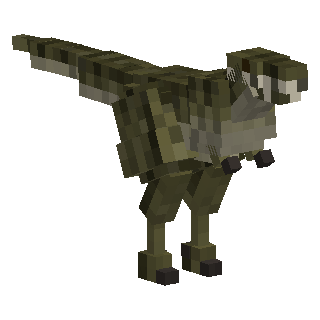
Jungle · Beaches · Plains · Prehistoric Jungle
Barely the size of a chicken, Compsognathus was found with a lizard still preserved in its stomach.
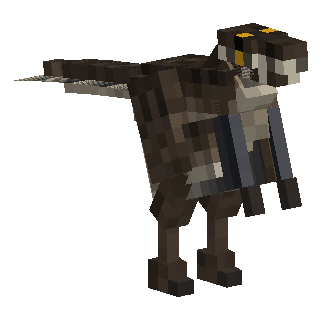
Jungle · Beaches · Prehistoric Jungle
The "first bird" combined feathered wings with teeth, clawed fingers and a long bony tail, a perfect link between dinosaurs and birds.
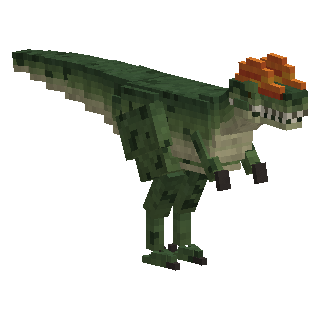
Jungle · Swamp · Prehistoric Jungle
Dilophosaurus wore a pair of thin bony crests on its head; the venom-spitting neck frill is pure movie invention.
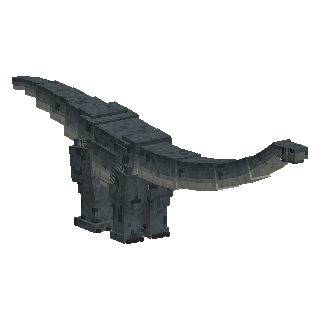
Jungle · Forest · Prehistoric Jungle
Mamenchisaurus had one of the longest necks of any animal, making up about half of its total body length.
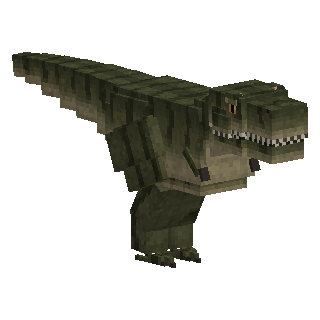
Plains · Forest · Prehistoric Jungle
The tyrant lizard king had the strongest bite of any land animal ever, strong enough to crush bone.
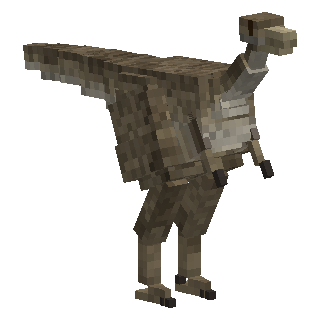
Plains · Savanna · Desert · Prehistoric Jungle
The "chicken mimic" was one of the fastest dinosaurs, sprinting like an ostrich on long legs with a toothless beak.
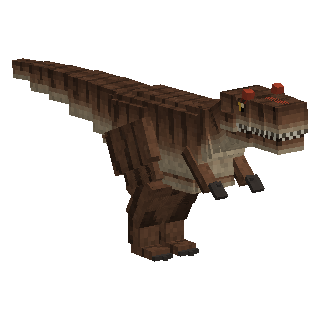
Plains · Savanna · Prehistoric Jungle
The top predator of the Late Jurassic hacked at prey with its upper jaw like an axe, and had little horns in front of its eyes.
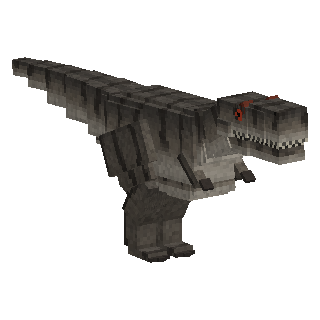
Plains · Savanna · Prehistoric Jungle
One of the largest meat-eaters ever, this South American giant rivalled T. rex in length but had a longer, slimmer skull.
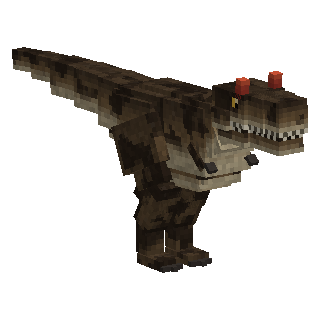
Plains · Rivers · Prehistoric Jungle
This sleek tyrannosaur shared its Canadian floodplains with other giant predators and grew to adult size in just two decades.
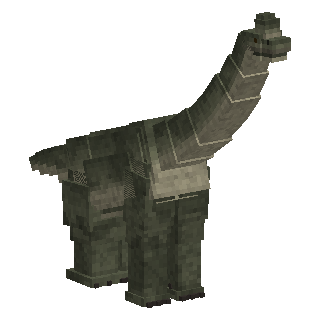
Plains · Savanna · Forest · Prehistoric Jungle
With front legs longer than its hind legs, Brachiosaurus held its neck high like a giraffe to browse treetops 9 metres up.
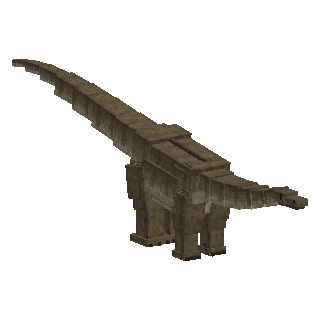
Plains · Savanna · Prehistoric Jungle
Diplodocus could crack its incredibly long, thin tail like a whip, possibly fast enough to make a sonic boom.
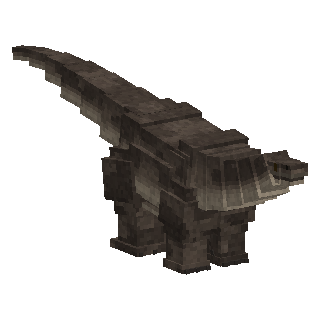
Plains · Swamp · Prehistoric Jungle
Apatosaurus had an unusually thick, deep neck that may have been used for shoving matches between rivals.
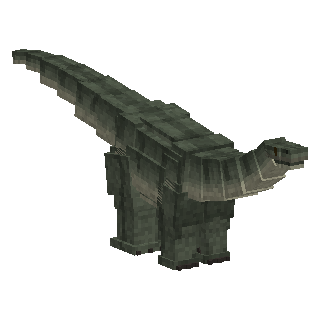
Plains · Forest · Prehistoric Jungle
Once thought to be the same animal as Apatosaurus, the "thunder lizard" was restored as its own genus in 2015.
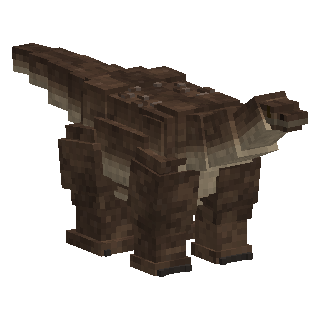
Plains · Forest · Prehistoric Jungle
Named "fears nothing", Dreadnoughtus is known from one of the most complete skeletons of any giant titanosaur.
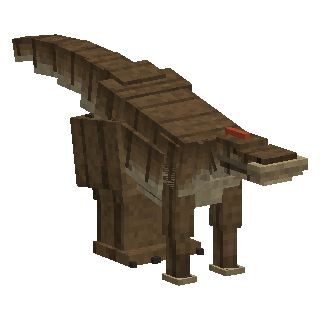
Plains · Forest · Taiga · Prehistoric Jungle
Edmontosaurus had hundreds of teeth packed in grinding batteries and a flat, duck-like bill for cropping plants.
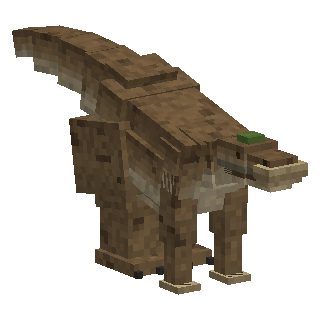
Plains · Forest · Prehistoric Jungle
Maiasaura, the "good mother lizard", nested in huge colonies and cared for its young after they hatched.
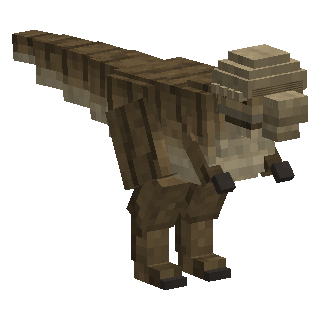
Plains · Forest · Mountains · Prehistoric Jungle
Pachycephalosaurus had a skull dome up to 25 cm thick, likely used to butt heads or flanks with rivals.
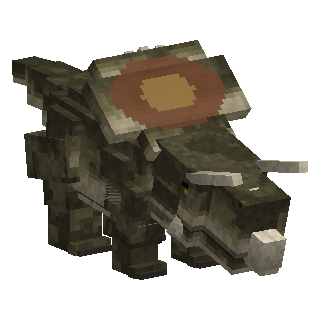
Plains · Savanna · Prehistoric Jungle
Its three horns and bony frill were used for display and sparring; it was one of the last non-avian dinosaurs to live.
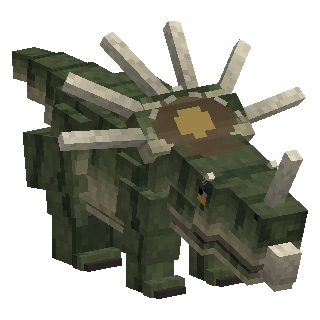
Plains · Forest · Prehistoric Jungle
A crown of up to six long spikes radiated from its frill, and its single nose horn could reach 60 cm.
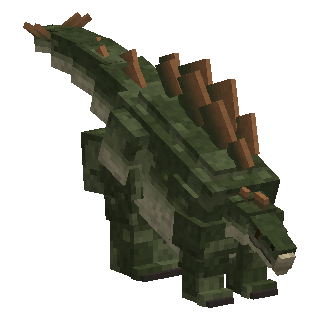
Plains · Forest · Prehistoric Jungle
Its brain was about the size of a lime, but its spiked tail "thagomizer" could pierce an Allosaurus bone.
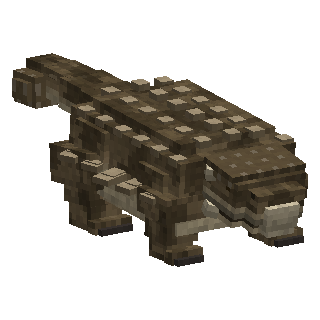
Plains · Forest · Prehistoric Jungle
A living tank: bony armour covered even its eyelids, and its tail club could break the bones of a predator.
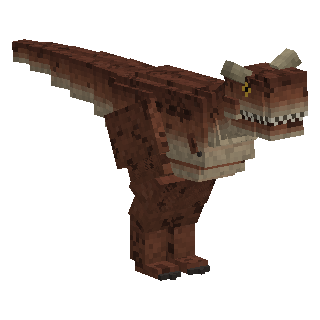
Savanna · Desert · Badlands · Prehistoric Jungle
The "meat-eating bull" had thick horns over its eyes, comically tiny arms and long legs built for speed.
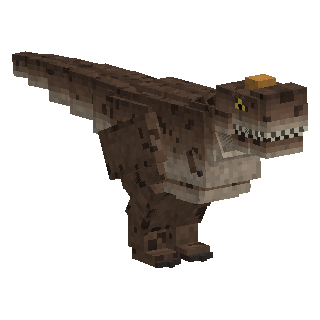
Savanna · Jungle · Prehistoric Jungle
Madagascar’s top predator had a single knobbly horn on its forehead and is one of the few dinosaurs known to have eaten its own kind.
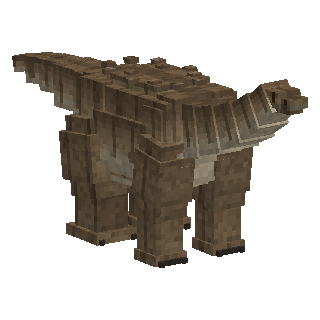
Savanna · Plains · Prehistoric Jungle
One of the largest animals ever to walk the Earth, Argentinosaurus may have weighed as much as ten elephants.
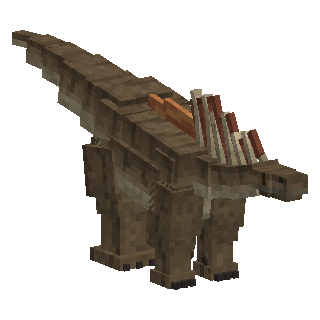
Savanna · Desert · Prehistoric Jungle
Amargasaurus carried two parallel rows of tall spines along its neck, perhaps covered in skin as a display sail.
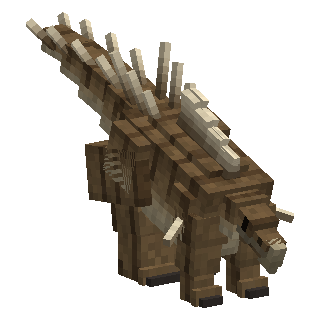
Savanna · Jungle · Prehistoric Jungle
An African cousin of Stegosaurus with small plates up front and long, sharp spikes along its hips and tail.
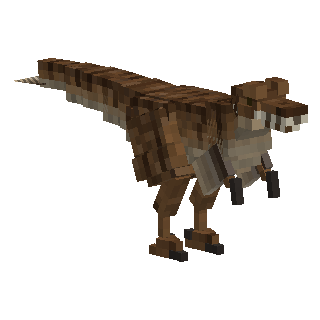
Desert · Savanna · Badlands · Prehistoric Jungle
The real Velociraptor was a feathered, turkey-sized hunter, famously fossilised locked in combat with a Protoceratops.
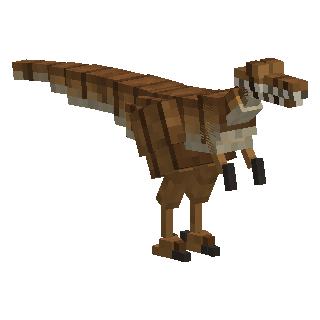
Desert · Badlands · Savanna · Prehistoric Jungle
One of the earliest dinosaurs, Coelophysis is known from hundreds of skeletons found together at Ghost Ranch, New Mexico.
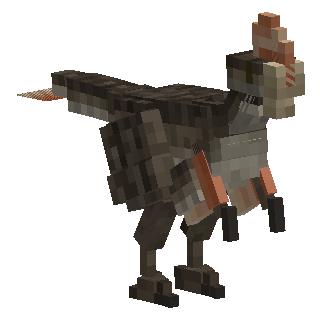
Desert · Badlands · Savanna · Prehistoric Jungle
Named "egg thief", Oviraptor was later found brooding its own nest, sheltering its eggs with feathered arms like a bird.
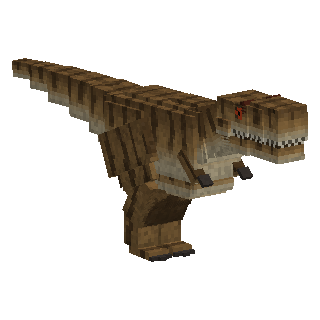
Desert · Savanna · Prehistoric Jungle
The "shark-toothed lizard" of North Africa had serrated, blade-like teeth up to 20 cm long.
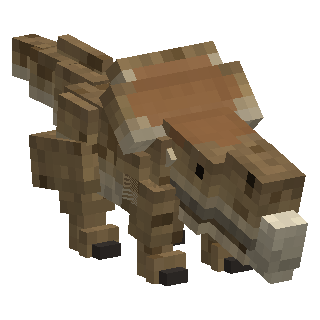
Desert · Badlands · Savanna · Prehistoric Jungle
A sheep-sized ceratopsian from Mongolia, famously fossilised locked in combat with a Velociraptor.
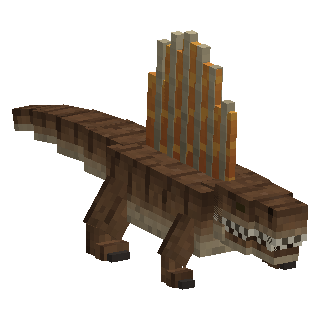
Desert · Badlands · Savanna · Prehistoric Jungle
Not a dinosaur at all, Dimetrodon lived 40 million years before them and is more closely related to mammals; its tall sail may have helped it warm up.
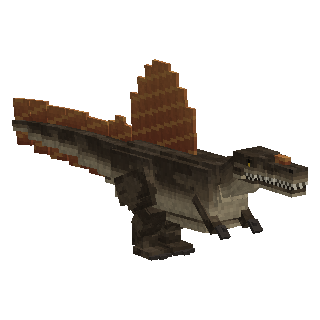
Rivers · Swamp · Prehistoric Jungle
The longest known predatory dinosaur hunted giant fish in North African rivers, using a sail and a paddle-shaped tail.
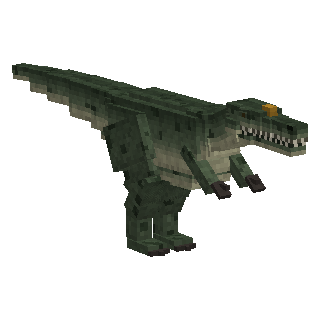
Rivers · Swamp · Prehistoric Jungle
Found in England with fish scales in its stomach, Baryonyx had a crocodile-like snout and a huge hooked thumb claw.
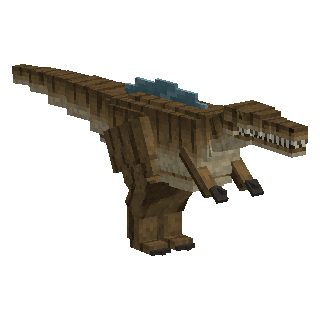
Rivers · Swamp · Jungle · Prehistoric Jungle
The "crocodile mimic" waded through Saharan rivers spearing fish with a long snout and a low ridge along its back.
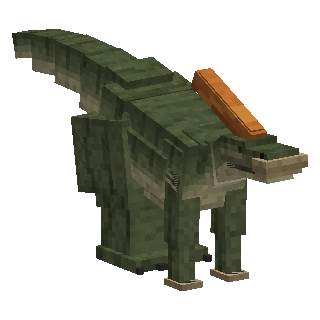
Swamp · Forest · Jungle · Plains · Prehistoric Jungle
The hollow tube crest of Parasaurolophus worked like a trombone, producing deep calls that carried over long distances.
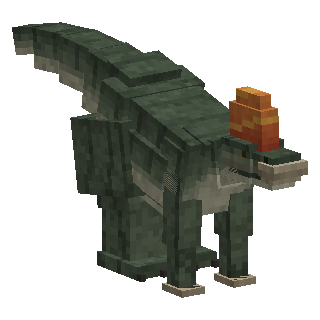
Swamp · Forest · Jungle · Prehistoric Jungle
Corythosaurus is named for its helmet-shaped crest, which held looping nasal passages for resonant calls.
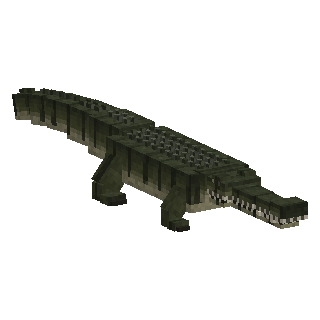
Swamp · Rivers · Jungle · Prehistoric Jungle
Nicknamed "SuperCroc", Sarcosuchus grew as long as a city bus and had a bulbous knob called a bulla on the tip of its snout.
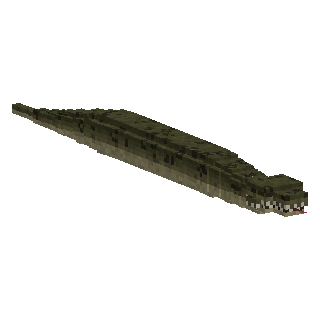
Swamp · Rivers · Jungle · Prehistoric Jungle
The largest snake ever found, Titanoboa lived in steamy Paleocene rainforests just after the dinosaurs vanished and weighed over a tonne.
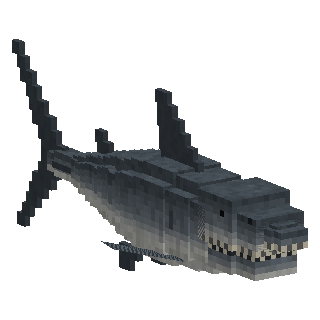
Ocean · Warm ocean · Deep ocean
The largest shark that ever lived, Megalodon had teeth the size of a human hand and hunted whales in warm Miocene seas.
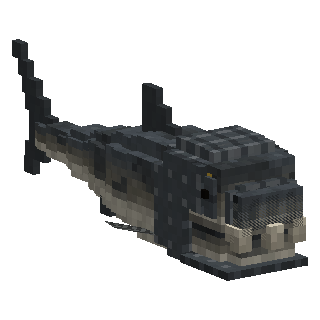
Ocean · Deep ocean
A Devonian armoured fish whose head was covered in bony plates; instead of teeth it sliced prey with self-sharpening bony blades.
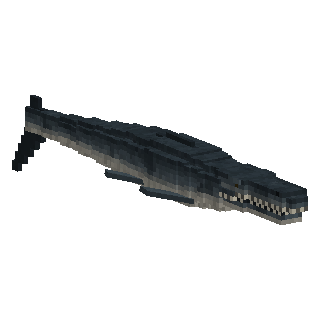
Ocean · Warm ocean · Deep ocean
A giant marine lizard related to monitor lizards and snakes, Mosasaurus had a second row of teeth on the roof of its mouth to grip slippery prey.
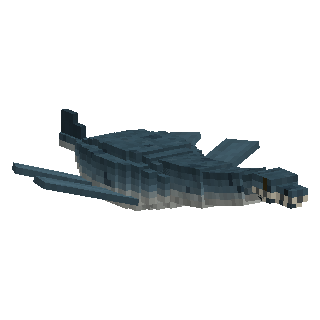
Ocean · Warm ocean
Plesiosaurus "rowed" through Jurassic seas with four flippers and used its long neck to sneak up on schools of fish.
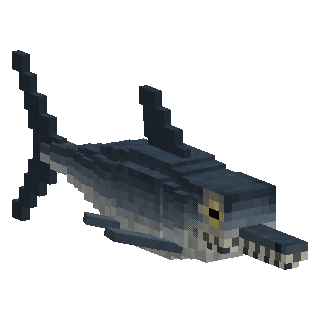
Ocean · Warm ocean
Dolphin-shaped Ichthyosaurus gave birth to live young at sea and had huge eyes ringed with bone for seeing in deep, dark water.
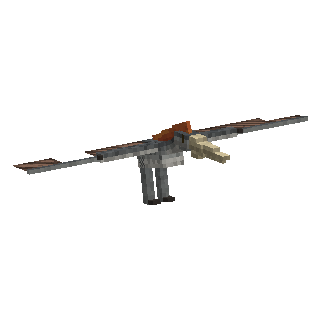
Mountains · Beaches · Prehistoric Jungle
Pteranodon soared over Cretaceous seas on a 6-metre wingspan; its toothless beak scooped up fish like a pelican.
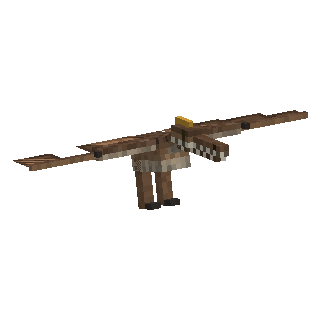
Mountains · Beaches · Jungle · Prehistoric Jungle
The first pterosaur ever named, Pterodactylus was roughly the size of a raven and snapped up insects and small fish with needle-like teeth.
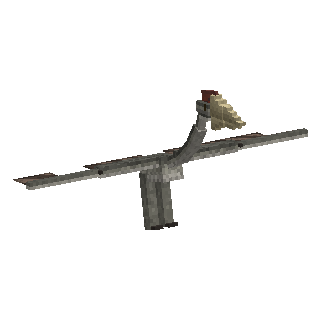
Mountains · Savanna · Prehistoric Jungle
One of the largest flying animals ever, Quetzalcoatlus stood as tall as a giraffe and stalked small prey on the ground like a giant stork.
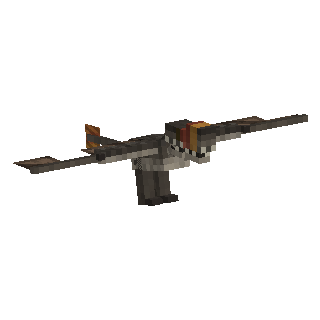
Beaches · Jungle · Prehistoric Jungle
Dimorphodon had a big, puffin-like head with two kinds of teeth and a long stiff tail tipped with a diamond-shaped vane.

Ferns carpeted Mesozoic forest floors long before grasses evolved.

Equisetum is a living fossil whose relatives grew as tall as trees in the Carboniferous.

Cycads were so common in the Jurassic that it is sometimes called the Age of Cycads.

Lycopsids like club moss are among the oldest vascular plants on Earth.

A cycad-like bennettitale whose star-shaped cones looked like flowers.

Magnolias appeared in the Cretaceous and were pollinated by beetles before bees existed.

Ginkgo biloba is a living fossil, unchanged for over 200 million years.

Monkey-puzzle trees were towering food for long-necked sauropods.

Metasequoia was known only from fossils until living trees were found in China in 1944.

Scale trees up to 40 m tall formed the coal swamps of the Carboniferous.

Tree ferns with trunks of matted roots shaded the understory of Jurassic forests.
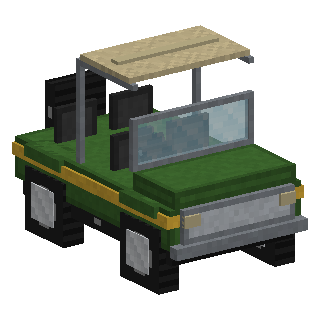
An open-top park ranger truck. Seats four. Hop in and drive with WASD.
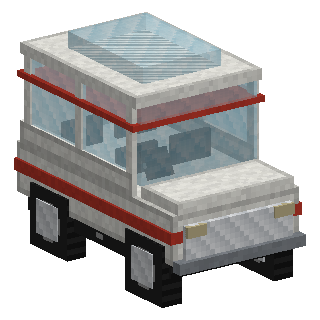
A closed tour SUV with a panoramic glass roof. Seats four.
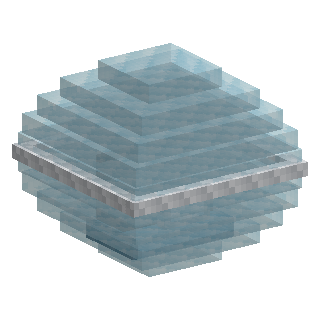
A self-balancing glass sphere for two. Rolls right up to the herds.

Links up with its neighbours like a vanilla fence and is 1.5 blocks tall. When powered, it shocks whatever touches it.

Right-click it or give it a redstone signal to power every fence connected to it.

A rare find in amber ore.

Facts plus taming and riding tips for every species.

Shocks, slows and pushes back whatever you hit.

Fires tranquilizer darts. One dart knocks out a small animal; big herbivores need 3 darts and big carnivores 4.
Tame creatures with their favourite food, or hatch apex predators from eggs. Saddle them to ride on land, through the air or underwater.
A new biome full of ginkgo, monkey-puzzle, dawn redwood, scale trees and tree ferns. Without experiments, the plants and creatures appear in vanilla biomes instead.
Electric fences shock anything that touches them once a generator powers them, and big carnivores smash through fences with no power. Drive a safari truck, a tour car or a gyrosphere, and keep animals in check with an electric prod or a tranquilizer rifle.
Mine fossil blocks and amber ore, and look for the rare mosquito in amber.
An in-game book with facts about every species and how to tame and ride it.
Install Realistic Hunting as well and every creature is game, with organs in its own model, a shot report and a trophy. A T. rex takes a .338.